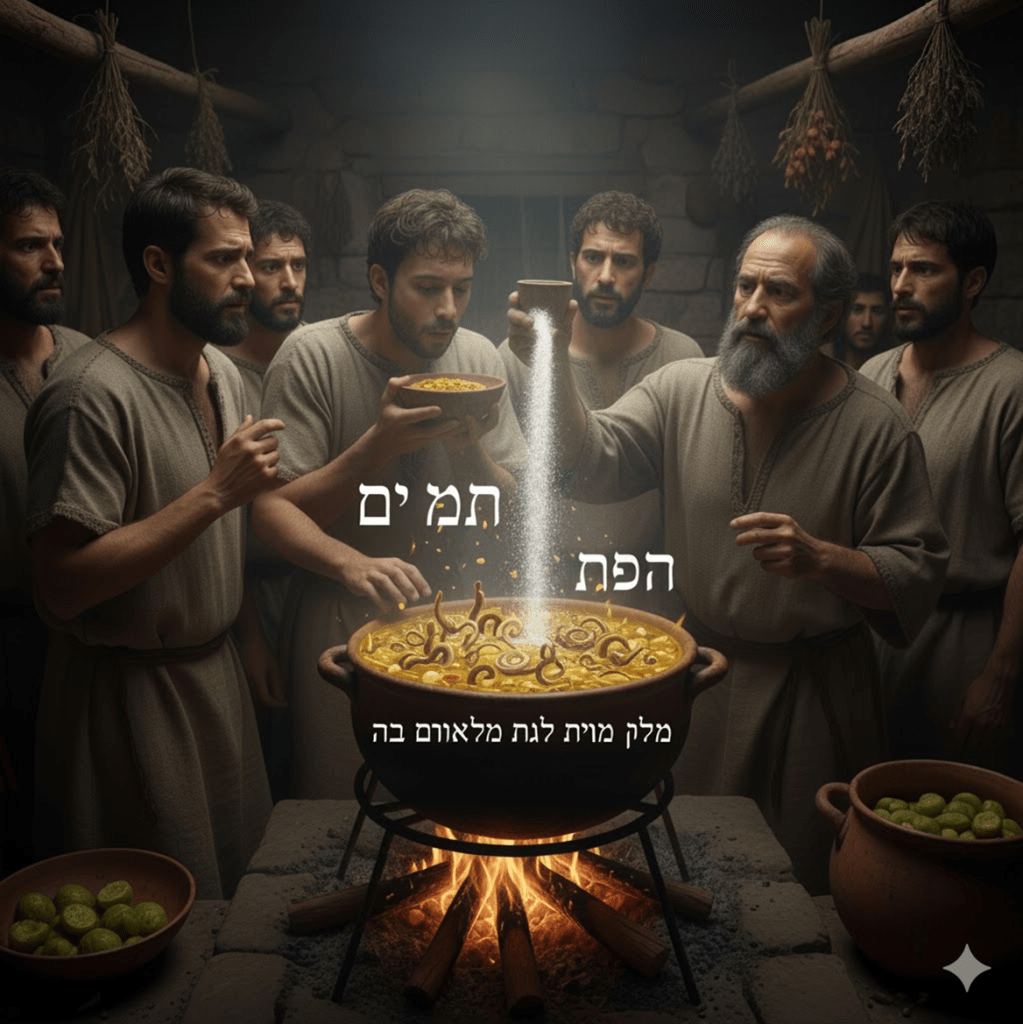
(2 Kings 4:38–41)
2 Kings 4 is an interesting chapter filled with four miracles of Elisha. One of them — the “Death in the Pot” — carries a powerful lesson for our times.
When Elisha was busy in his ministry at Gilgal, there was also a famine in the land. All the sons of the prophets gathered around him — perhaps to learn from him, or maybe simply to find some food in the famine. Elisha, compassionate and practical, told his servant to set a large pot on the fire and prepare some stew for the men.
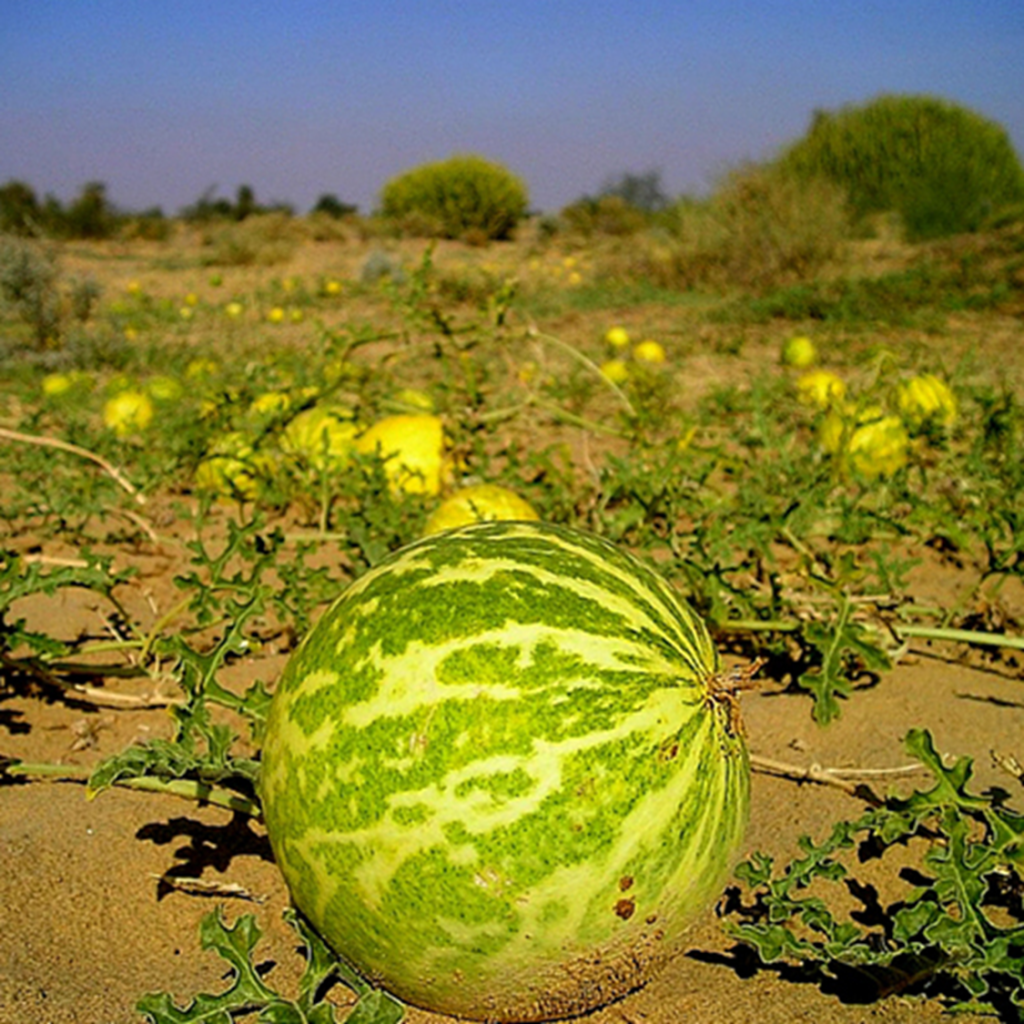
One man went out to gather herbs and, in his good intention, picked wild gourds — Colocynth (Citrullus colocynthis). They looked edible but were bitter and poisonous. Without realizing their danger, he sliced them into the stew. His intentions were pure, but the result was deadly.
When the sons of the prophets began to eat, they cried out, “There is death in the pot!” (2 Kings 4:40). Their hunger turned to horror. Yet Elisha did not panic. He asked for some flour, threw it into the pot, and through God’s power, the death was removed. “There was no harm in the pot.”
The stew was not wasted. What was corrupted was redeemed. That’s grace in action — God transforming failure into usefulness, decay into nourishment. Mistakes made in innocence still produce injury, but when brought to God, even our blunders can be healed.
The Three Instincts
Dr. E. Stanley Jones once observed that human life is driven by three basic instincts — which modern psychology also affirms: Self, Sex, and Herd.
- Self – “Life is my identity.” When this drive dominates, it becomes self‑centeredness and pride.
- Sex (or Passion) – “Life is my pleasure.” When misused, it consumes rather than connects.
- Herd (or Belonging) – “Life is my security within a group.” When overemphasized, it leads to conformity and compromise.
Each of these drives is necessary for life, yet each can become a poisoned pot.
If the Self rules unchecked, we become narcissists.
If Sex rules without restraint, pleasure replaces purity.
If the Herd rules our hearts, we lose conviction for the sake of comfort.
The Taste of Poison
Solomon, the wisest of men, tried to make passion work his way. He had everything — power, position, wisdom, and opportunity. Yet his song begins, “Oh for a kiss from your lips!” (Song 1:1). Life, for him, was reduced to desire. Freud would have nodded in agreement. But Solomon’s later words in Ecclesiastes echo emptiness — the taste of a poisoned stew.
Today the same poison spreads quietly. The “death in the pot” may not come from wicked intentions but from well‑meaning choices — ambition that turns into pride, passion that turns into addiction, belonging that turns into compromise. The ingredients look harmless until the bitterness reveals them for what they are.
The Will of God in the Pot
Elisha’s miracle teaches us that God does not throw away what is spoiled — He redeems it. The flour that Elisha added was simple, ordinary, yet it symbolized obedience to the will of God. It was not chemistry that cured the pot but submission to divine direction.
When Jesus said, “My food is to do the will of Him who sent Me and to finish His work” (John 4:34), He revealed what truly sustains the soul. The will of God is the only food that nourishes. Everything outside that will, however attractive, is poison.
Ambition outside obedience starves the spirit.
Pleasure without purity sickens the heart.
Security without surrender drains life of meaning.
Doing the will of God brings wholeness. It restores what pride, passion, and pressure have corrupted. It turns death into nourishment. What the flour did for the stew, the will of God does for our souls — it makes the deadly edible again.
The Redeeming Lesson
The miracle ends quietly but profoundly. The prophets eat; life goes on; nourishment returns. God’s answer was not to discard the pot but to redeem it. He does the same with us.
There is death in every pot — until the will of God enters it.
His direction purifies what our decisions poison.
His purpose transforms error into offering.
And the same Lord who fed His prophets by a miracle still feeds us today — with a food that heals, not harms: the nourishment of doing His will.
Elisha added the flour and there was nothing harmful in the pot. Until we add the flour ‘Will of God’ mixed into it then there is nothing wrong with it. It can be eaten safely. That is the reason Jesus said “My food,” replied Jesus, “is to do the will of the one who sent me, and to finish his work! (John 4:34 NTFE). Is God’s will our FOOD? Yes. It builds us, sustains us but evil Is poison and results death in the pot.

 Ennathinks
Leave a comment