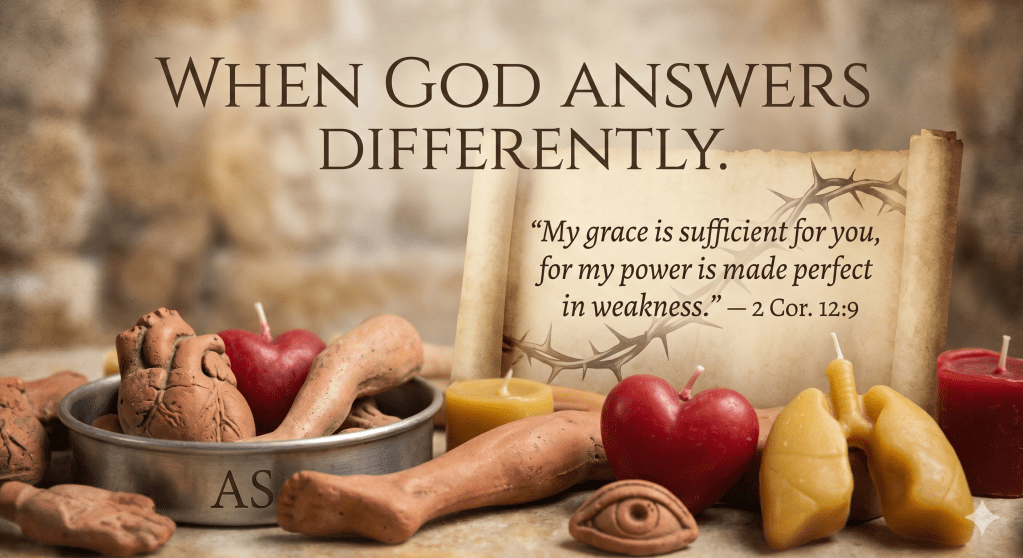
A visit to the Basilica of Our Lady of Good Health in Velankanni, Tamil Nadu will surprise you. In the market within the campus, you will find wax candles shaped like body parts — what are known as anatomical votives. Devotees light these candles as prayer requests for healing. A heart-shaped red candle for heart disease. Yellow for lung ailments. And inside the shrine itself, you will find body parts crafted in precious metals — thanksgiving offerings for healings received. It is a living illustration of the adage you see at the entrance of many mission hospitals: “We treat; God heals.”
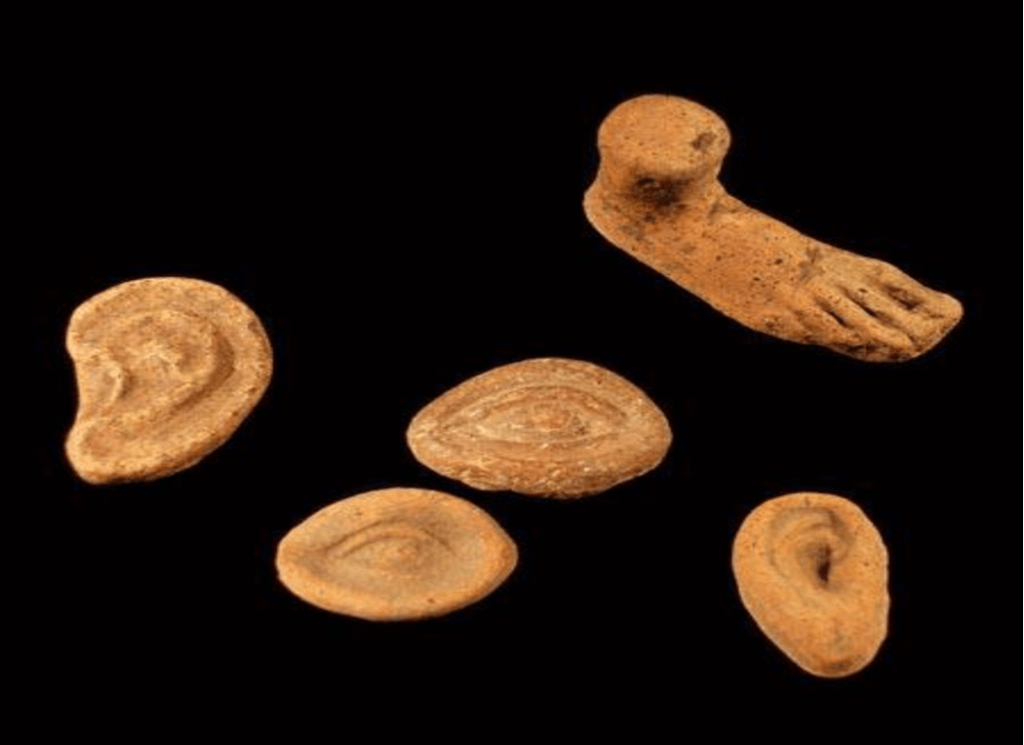
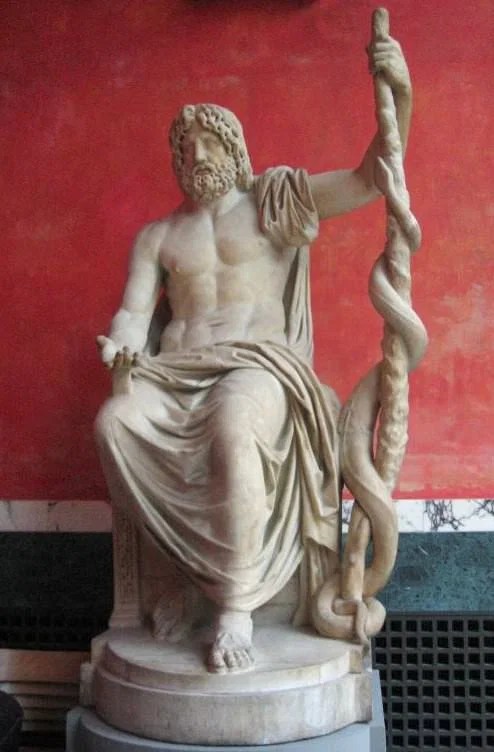
This practice of anatomical votives is far older than Velankanni. In the first century, the Greek world had a god of health — Asclepius. Temples dedicated to him were found across many cities of the ancient world. In Corinth specifically, archaeologists have uncovered a significant collection of terracotta anatomical votives near the sanctuary of Asclepius — body parts offered both as prayer requests and as thanksgiving for healing received. The Corinthians knew very well what it meant to bring your broken body before a god and ask for restoration.
With that background in mind, imagine how the believers in Corinth felt when they read Paul’s letter.
Paul writes that to keep him from becoming too elated about his extraordinary spiritual experiences, “a thorn was given me in the flesh.” Most Bible scholars agree this was a physical ailment of some kind — something that tormented him, a constant physical pain carried over a long period. And Paul writes that he “prayed to the Lord three times about this, asking that it would leave” (2 Cor. 12:8, NTE).
Three times. The Corinthian readers knew exactly what that meant. They lived in a culture where you went to the god of healing with your broken body. And now here was Paul — the apostle who had performed signs and wonders among them, who had healed others, who had written that “the signs of an apostle were performed among you with utmost patience, signs and wonders and mighty works” (2 Cor. 12:12, NRSV) — praying three times and receiving no healing.
What did God say instead?
“My grace is enough for you; my power comes to perfection in weakness.” (2 Cor. 12:9, NTE).
What! He did not heal you? Three times. Not a casual request. Not a passing prayer. Paul kept returning to God with the same plea. Three times you prayed and this is the answer you received?
Yes. And Paul does not collapse under that answer. He receives it. He pivots completely. He stops begging for the thorn to be removed and instead writes: “So I will be all the more pleased to boast of my weaknesses, so that the Messiah’s power may rest upon me.” (2 Cor. 12:9, NTE).
Not begging for healing. Boasting about his thorn. Because he understood something that changes everything — our weaknesses, our pains, our unresolved sufferings are not obstacles to God’s power. They are the very conduits through which his power is perfected.
God did answer Paul’s prayer. Just not the way Paul expected.
What is your thorn? The one you have carried for a long time and prayed over more times than you can count?
- Is it the trust broken by your spouse — and you walked away, only to find the same distrust waiting for you in the next relationship?
- Is it the long wait for a child? The treatments, the hoping, the disappointment that keeps circling back like something you cannot name?
- Is it your young adult — behaving in ways that baffle and grieve you?
- Is it the relationship with your in-law that you have tried to mend with every kindness you have, and it still sits there, unresolved?
- To all of this, God says the same thing he said to Paul: “My grace is sufficient for you, and my power comes to perfection in weakness.”
Do not conclude that God has not answered your prayer. He has answered — just differently. And when you begin to receive that answer, something remarkable happens. You stop asking only for the thorn to be removed, and you start discovering a strength that could not have come any other way. Until one day you find yourself saying — and meaning it — “whenever I am weak, then I am strong.” The miracle was not that the thorn disappeared. The miracle was that God’s grace proved stronger than the thorn.
 Ennathinks
Leave a comment